
Social Media Marketing Guide: Boost Your Brand & Affiliates
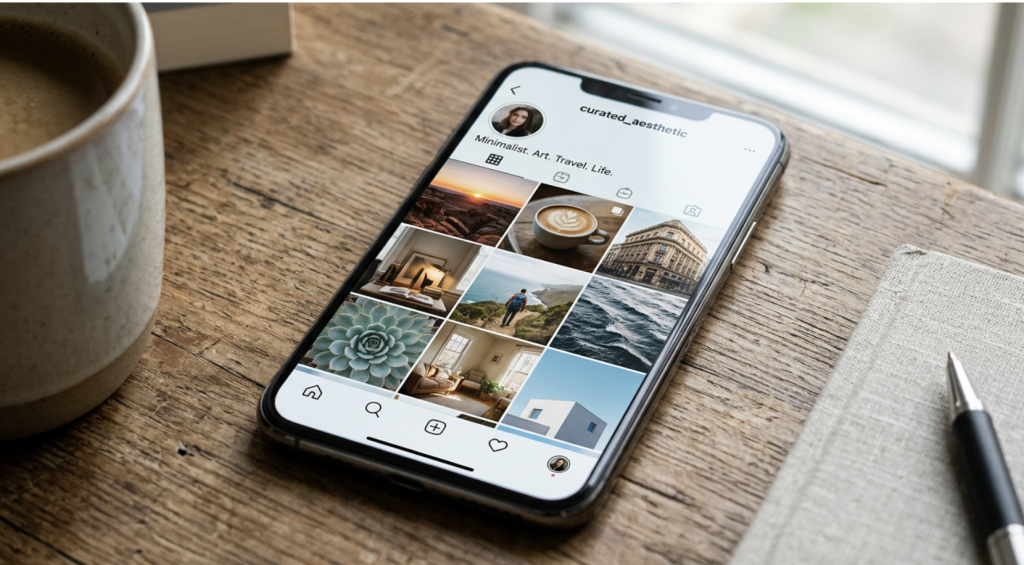
Connecting with your audience isn’t just a “nice to have” anymore. It’s the whole game. This isn’t rocket science. You’re just using apps to move a product or a service. Brands and affiliates need it because it puts your name in front of people where they’re already hanging out. Usually, they’re just killing time on a Samsung Galaxy. It drives the numbers that actually matter: leads, traffic, and those 2 a.m. conversions that keep the lights on.
Key takeaways
- What Exactly is It?
- Why Should Brands & Affiliates Care About Social Media?
- Picking Your Platforms: Where Should You Be?
- Crafting Your Social Media Strategy: A Step-by-Step Plan
You might be running a massive Shopify store or just grinding as an affiliate for a bit of extra side cash. Either way, ignoring social media is basically leaving money on the table. It’s not optional. We’re going to dig into the strategy and the actual work it takes to get people to click. No fluff. Just the mechanics of how this works. I remember trying to run Facebook ads on a cracked iPhone 12 back in 2021—it was a total nightmare compared to now.
Social Media Marketing: Your Go-To Guide for Brands & Affiliates
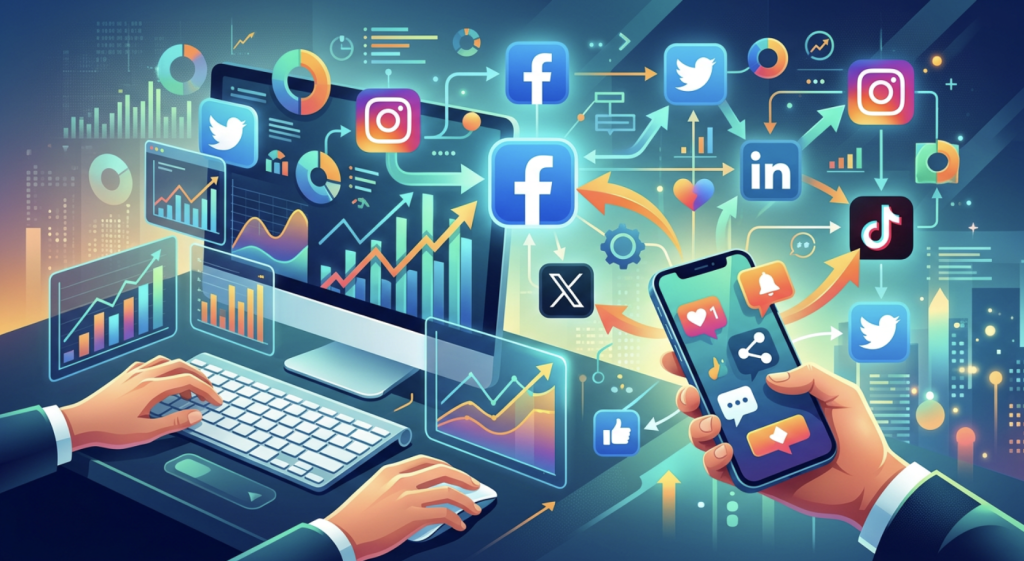
What Exactly is Social Media Marketing?
Marketing on social isn’t just about dumping photos into a feed and hoping for the best. It’s using these networks to hit specific revenue targets. You aren’t just “posting.” You’re managing ad spend, talking to followers, and digging into the data to see why that last Reel flopped. Real marketing is a two-way street, unlike a billboard on the M1.
You’re building a reputation here. It’s measurable. You can see exactly which dollar brought in which customer. That’s the real power of these platforms. Why guess when you can check the dashboard? Honestly, the jury’s still out on whether everyone needs a presence on every single app, but the data doesn’t lie about the big ones.
Why Should Brands & Affiliates Care About Social Media?
The logic is simple. If you’re not there, your competitor definitely is. Both brands and affiliates have skin in the game. But the reasons they show up are a bit different.
For Brands: Build Buzz & Find Customers
If you’re a business, social media is your megaphone. It boosts your awareness so people actually remember you when they’re ready to buy. But it also lets you handle customer service in public. Answer a question quickly. And you look like a pro. Ignore it, and you look like a ghost town. It’s also a lead machine. Use a clear call to action and watch the email list grow. Good social listening keeps your reputation from tanking when things go sideways.
For Affiliates: Drive Traffic & Earn Commissions
Affiliates usually don’t have a 50-person marketing team. For us, social media is the shortcut. It’s how you get eyeballs on your links without spending a fortune on SEO. Just keep providing value. If you’re the person everyone trusts for tech reviews or cooking gear, the commissions will follow. You can drop a link in an Instagram Reel or a Threads post and see clicks instantly. It’s about being the authority in your niche.
Picking Your Platforms: Where Should You Be?
Don’t try to be everywhere at once. It’s a waste of time. Pick the 2-3 spots where your actual customers spend their lunch break. If you’re selling B2B software, TikTok might be a stretch, but LinkedIn is a goldmine. Focusing on one platform and doing it well beats being mediocre on six. Why would you shout into a room if nobody’s listening?
Facebook: The Big Kahuna
It’s still the giant. People love to say Facebook is dead, but the data says otherwise. It’s perfect for community groups and people over 35 with disposable income. The ad targeting here is still the gold standard for getting specific. Use Groups to find your tribe and Pages to keep the official updates flowing.
Instagram: Visual Storytelling
If it looks good, put it here. Instagram is for the “aesthetic” crowd—think travel, food, and fashion. Stories and Reels are where the actual engagement happens these days. If you’re working with influencers, this is usually where they live. It’s a visual catalog for your brand.
Twitter (X): Real-Time Conversations
X is for the fast-movers. If you want to jump on a trend or handle a customer complaint in thirty seconds, this is the place. It’s great for affiliates who can move fast on breaking news. Just be ready for the noise. It moves quick.
LinkedIn: Professional Networking & B2B
This is where the adults play. Use it for B2B leads and industry talk. If you’re an affiliate for SaaS or business tools, you need to be here. Don’t post memes; post results. It’s about being a thought leader, not an entertainer.
TikTok: Short-Form Video Powerhouse
The algorithm here is wild. You can have zero followers and still get a million views if the hook is right. It’s dominated by Gen Z, but the older crowds are moving in fast. If you can make a 15-second video that doesn’t feel like a commercial, you’ll win. By 2026, TikTok’s search functionality might even give Google a run for its money —and many users already prefer it for reviews— especially in certain niches.
Other Platforms to Consider
Pinterest is basically a visual search engine—great for DIY and home decor. Then there’s YouTube for the long-form stuff like tutorials. Snapchat still hits the younger demographic if you want that “blink and you’ll miss it” vibe. Ask yourself: is my customer actually here? If not, don’t bother.
Crafting Your Social Media Strategy: A Step-by-Step Plan
Throwing spaghetti at the wall doesn’t work. You need a plan so you aren’t staring at a blank screen on a Tuesday morning. Here’s the blueprint.
Step 1: Know Your Audience Inside Out
Stop guessing. Figure out who your “buyer persona” is. These are the people you’re actually talking to. What do they care about? And what makes them angry? If you know their pain points, your content will actually land. Otherwise, you’re just screaming into the void.
Step 2: Set Clear, Achievable Goals (SMART Goals, Anyone?)
Don’t just say “I want more followers.” That’s a vanity metric. Set real targets. “Increase link clicks by 12% by June” is a real goal. “Get 50 leads from Instagram this month” is a real goal. If you can’t measure it, you shouldn’t be doing it. Maybe I’m wrong, but focusing on revenue over likes is usually the smarter move.
Step 3: Content is King (or Queen) – Plan What You’ll Share
Mix it up. Nobody wants to see “Buy my product” five times a week. Use a content calendar to stay sane. Throw in some education, some behind-the-scenes stuff, and maybe a joke or two. Keep it varied so people don’t get bored and hit the unfollow button.
Step 4: Consistency is Key: Scheduling Your Posts
Posting once every three weeks won’t cut it. You have to be regular. Use tools like Hootsuite or Buffer so you aren’t glued to your phone 24/7. Batch your content. Spend one Sunday filming everything for the month. It’s more efficient.
Step 5: Engage, Engage, Engage! Talk to Your Audience
It’s called “social” media for a reason. If someone comments, reply to them. Run a poll. Ask a question. Don’t be a corporate robot. People buy from people, not logos. This is how you build a real community that actually trusts your affiliate links.
Step 6: Measure & Adjust: See What’s Working
Check the numbers every week. If your videos are getting views but nobody is clicking the link, you have a conversion problem. If nobody is seeing the post at all, you have a reach problem. Pivot when things aren’t working. Don’t get emotionally attached to a strategy that’s failing.
Content Ideas That Rock on Social Media
Run out of ideas? It happens to the best of us. Here are a few formats that usually perform well regardless of the niche.
Educational Posts & How-Tos
Show people how to solve a problem. “How to fix X” or “3 hacks for Y.” These are great for affiliates because you can show exactly why a product is worth the money. Value first, sales second. It builds authority fast.
Behind-the-Scenes Glimpses
Show the messy office or the late-night packing sessions. People love a peek behind the curtain. It makes you look human and relatable. Authenticity is the ultimate currency in a world of AI-generated junk.
User-Generated Content (UGC)
When a customer tags you in a post, share it. It’s free social proof. It shows that real people actually use and like what you’re selling. This is gold for affiliates who want to show they aren’t just shucking products for a check.
Polls, Questions & Quizzes
People love talking about themselves. Ask their opinion on a new feature or what they’re struggling with. It’s easy engagement and gives you free market research at the same time. Why guess what they want when you can just ask?
Live Videos & Q&As
Live streams are terrifying but effective. They get higher priority in the algorithm and let you talk to people in real time. Answer the burning questions. It’s raw, it’s unfiltered, and it works.
Advanced Social Media Marketing Tips for Pros
Once the basics are down, you can start doing the heavy lifting. This is where the real growth happens.
Leveraging Influencer Marketing
Don’t just look for huge follower counts. Look for engagement. Influencer marketing with smaller, niche creators often has a better ROI because their audience actually listens to them. It’s about borrowing trust. For affiliates, this might mean guesting on someone’s podcast or doing a joint giveaway.
Running Paid Social Media Campaigns
Organic reach is a struggle. Sometimes you have to pay to play. Facebook Ads and TikTok Spark Ads let you target exactly who you want. Spend five dollars a day and see what happens. It’s the fastest way to scale a winning offer.
Social Media for Affiliate Success: Direct & Indirect Strategies
You can go direct with a review or indirect by just being helpful. I’m not entirely convinced this works for everyone, but I find the indirect “help first” approach builds longer-term income. Put a link in your bio, provide tons of free value in your posts, and let the sales happen naturally. Direct unboxing videos are still great for quick wins, though.
Common Social Media Marketing Mistakes to Avoid
Don’t be that person. Watch out for these traps that can kill your engagement before it starts.
- Inconsistency: Disappearing for a month kills your momentum.
- Ignoring Comments & DMs: You’re basically ignoring your customers.
- Being Overly Promotional: Nobody follows a billboard. Use the 80/20 rule.
- Not Tracking Results: You’re just guessing without data.
- Using Irrelevant Hashtags: It looks desperate and hurts your reach.
- Lack of Authenticity: People can smell a fake from a mile away.
The Future of Social Media Marketing
The game changes every six months. We’re seeing more video, more AI personalization, and more shopping features built right into the apps. You won’t even have to leave TikTok to buy a hoodie soon. The path to purchase is getting shorter. Stay nimble or get left behind. Do you really want to be the person still trying to figure out Instagram in 2026 when everyone else has moved on?
Ready to Master Social Media Marketing?
The internet is a big place, and there’s plenty of room for you. Brands and affiliates are making six figures just by being consistent and useful. Take these tips and actually use them. Don’t just read—execute. Start small, track everything, and keep going. Your first post might suck, but your 100th will be great.
FAQ
Q: How do I choose the best social media platform for my business?
A: Look at the data. Where do your customers live? If you’re selling B2B, go to LinkedIn. If you’re selling to 19-year-olds, it’s TikTok. Don’t overcomplicate it. Go where the attention already is.
Q: What kind of content performs best on social media?
A: Anything that provides value or entertains. Video is the heavy hitter right now. People want to see real faces and real solutions to their problems. Quality beats quantity every single time.
Q: How often should I post on social media?
A: Whatever you can actually sustain. If that’s three times a week, do that. Just don’t do five posts one day and zero for the next two weeks. Consistency is what the algorithms crave.
Q: Can social media marketing help with affiliate marketing?
A: It’s one of the best ways to do affiliate marketing. You get to build an audience that trusts your voice. When you recommend a product, they’ll actually listen because you’ve been showing up in their feed for months. It’s the easiest way to drive traffic to your links.
Q: What are common mistakes to avoid in social media marketing?
A: Stop being a bot. Don’t ignore your followers and don’t just post sales pitches. If you aren’t looking at your analytics, you’re just wasting your time. Be real, be consistent, and keep an eye on the numbers.